Follow us
4.994 Google reviews
SIR Financial Services Pvt. Ltd.AMFI-Registered Mutual Fund Distributor

Mutual fund investments

Mutual funds, matched to your goals.

We don’t sell a “fund of the month”. We start with what the money is for and when you need it — then choose from 19 fund houses, with no favourite.

From ₹500 a month · No fee · Units always held in your name

  • 19fund houses
  • ₹500minimum monthly SIP
  • 2,400+live SIPs we look after
  • T+2days to get equity money back

Key ideas

What to know before you start.

First step

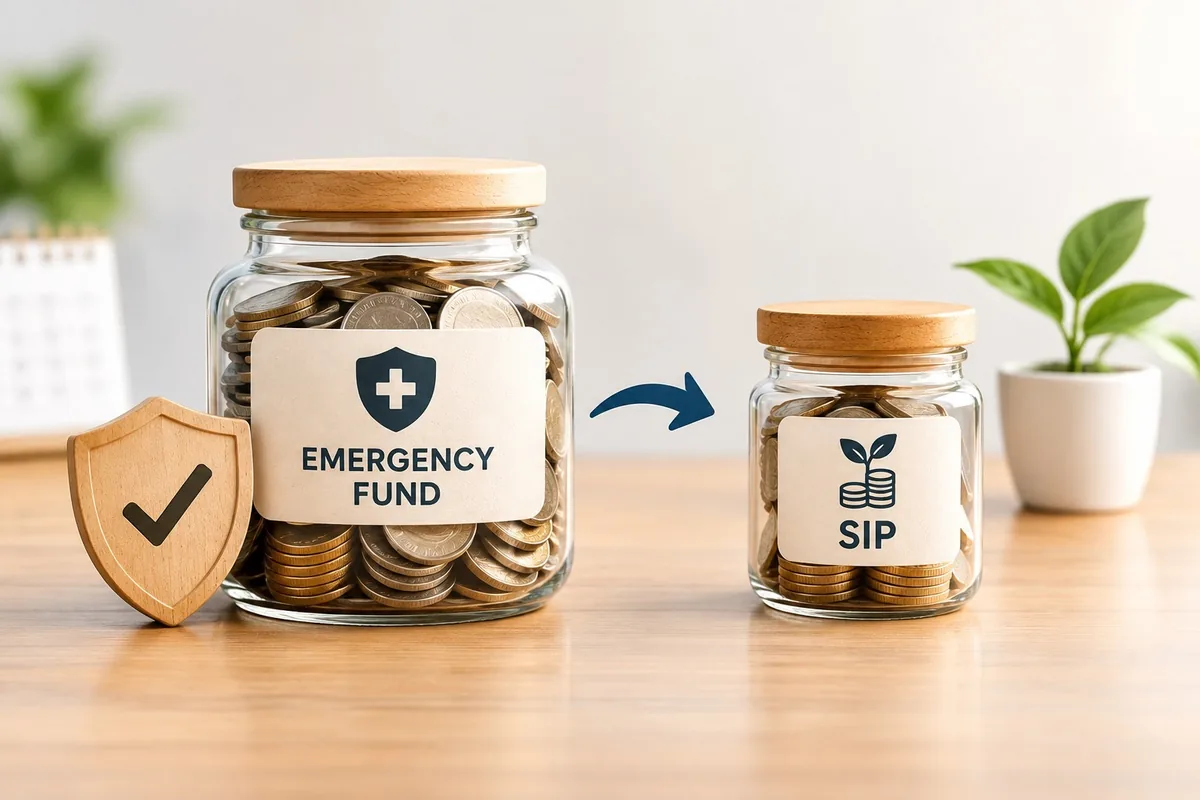
Build an emergency fund before you start a SIP.

Keep six months of expenses in a safe fund you can withdraw from quickly. Then a bad month won’t force you to sell when markets are down.

Save for the bad month before you invest for the good years.

Compounding

The last ten years grow the most.

In a 30-year SIP, the last ten years usually add more money than the first twenty together. So don’t start late, and never stop.

Time does the hard work. Your job is to stay invested.

The right mix

Your mix matters more than your fund.

How much you put in equity (shares) and how much in debt (bonds) decides most of your result.

Get the mix right and the rest gets easier.

SIP in a falling market

When markets fall, your SIP buys more.

The same monthly amount buys more units when prices are low. That’s why falling months are the wrong months to stop.

When prices fall, your SIP quietly buys more.

Categories

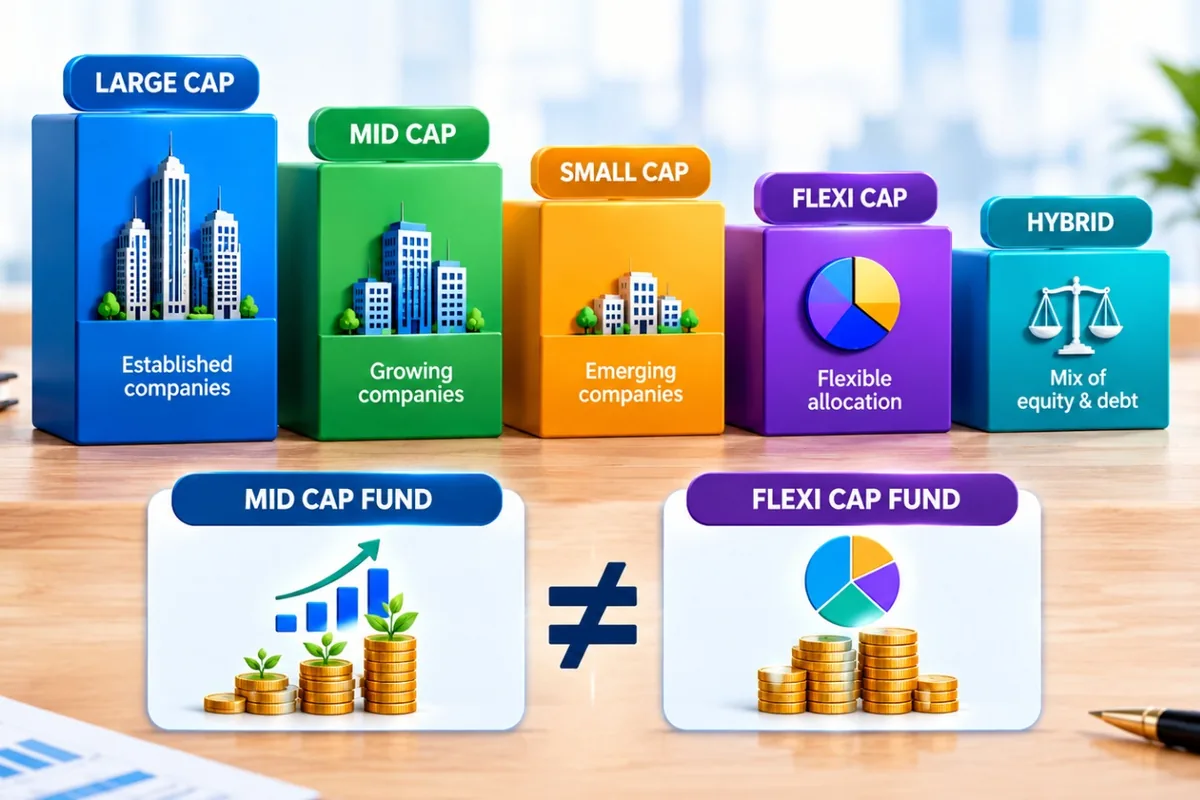
SEBI sets the fund types.

Large cap, mid cap, small cap, flexi cap and hybrid are fixed types set by SEBI. Compare a fund only with funds of the same type.

Compare a fund only with similar funds.

Tax

Tax depends on fund type and time.

Equity and debt funds are taxed differently. So we plan your exit before you need the money.

Plan your exit on a calm day, not in a rush.

Review

We check your goal, not the index.

The question isn’t whether your fund beat the Nifty last quarter. It’s whether your goal is still on track.

Measure against your own goal, not someone else’s.

Ways to invest

Four ways into the same portfolio.

Which one suits you depends on whether you have a monthly surplus, a lump sum sitting idle, or savings that now need to pay you an income.

SIP

Systematic Investment Plan

Invest a fixed amount every month. Build wealth steadily without timing the market.

SIP calculator
Lumpsum

One-time investment

Put a single amount to work today and let compounding do the rest.

Lumpsum calculator
STP

Systematic Transfer Plan

Move money slowly from a debt fund into equity, to smooth out your entry.

Plan an STP
SWP

Systematic Withdrawal Plan

Take a regular monthly income from your savings without selling everything.

SWP calculator

Fund houses

Nineteen fund houses, and no favourite.

We work with all of them and are paid the same way by each. So the choice is about you, not about who we work with.

  • Aditya Birla Sun Life Mutual Fund
  • Axis Mutual Fund
  • Bajaj Finserv Mutual Fund
  • Bandhan Mutual Fund
  • Canara Robeco Mutual Fund
  • DSP Mutual Fund
  • HDFC Mutual Fund
  • ICICI Prudential Mutual Fund
  • Invesco Mutual Fund
  • Kotak Mutual Fund
  • Mahindra Manulife Mutual Fund
  • Mirae Asset Mutual Fund
  • PPFAS Mutual Fund
  • SBI Mutual Fund
  • Sundaram Mutual Fund
  • Tata Mutual Fund
  • UTI Mutual Fund

Working with a fund house is not an endorsement. A fund is chosen for your goal and time frame.

Types of mutual fund

The goal decides the type. The type narrows the fund.

Debt fund

Lends to governments and companies. Steadier than equity and taxed at your slab rate — suits money needed in a year or two.

Hybrid fund

Holds both equity and debt, so the balancing is done inside the fund for you.

Equity fund

Owns company shares. Goes up and down the most, so it needs the longest time frame.

ELSS (tax saving)

Equity with a three-year lock-in — the shortest of the 80C options. Chosen on merit, not on the March deadline.

Children’s fund

Locked in until the child turns 18, or for five years — whichever comes first.

Retirement fund

Locked in for five years or until retirement age — whichever is earlier.

Sectoral fund

Invests in one sector only. Higher risk — a small side holding, never the core.

Thematic fund

Built around one idea across sectors. Same concentration risk as a sectoral fund.

Mutual fund investments are subject to market risks. Read all scheme related documents carefully.

Comparison

How mutual funds compare with other options.

Not an argument that funds always win — an honest comparison, so you can see where each one fits.

Mutual funds and alternatives
OptionIndicative returnLock-inTaxBest used for
Equity mutual fund10–13% p.a.*NoneLTCG above ₹1.25L at 12.5%Goals 7+ years away
ELSS (80C)10–13% p.a.*3 yearsAs equity, plus 80C reliefTax saving with growth
Debt mutual fund5–8% p.a.*NoneSlab rateOne month to two years
Fixed deposit6.5–7.5% p.a.Term-boundSlab rateMoney needed within 2 years
Recurring deposit6.5–7% p.a.Term-boundSlab rateShort, regular saving
PPF~7.1% p.a.15 yearsTax-freeThe safe core of retirement
Sukanya Samriddhi~8.2% p.a.To age 21Tax-freeA daughter’s education fund
Savings account2.7–4% p.a.NoneSlab rateEmergency money only

* Illustrative long-run ranges for planning conversations. Mutual fund returns are not assured and past performance does not indicate future results. Deposit and small-savings rates change from time to time.

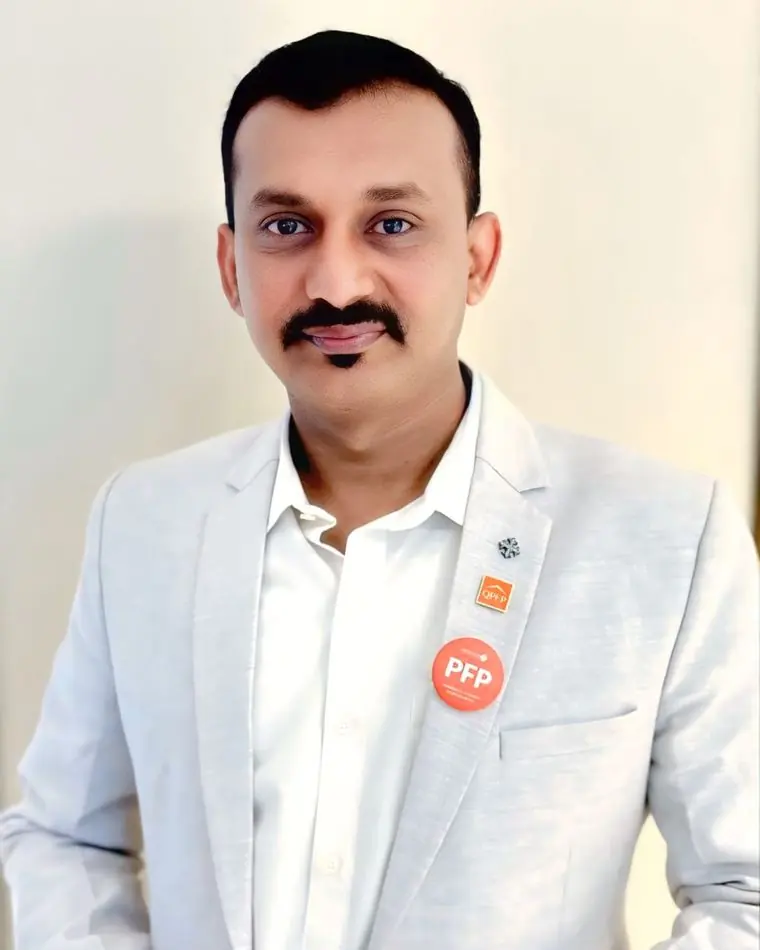
Mr. Santosh Ishwar Revanaki

Your guide

He started with his own first salary.

Mr. Santosh started his first SIP in 2007, the month he joined Persistent Systems. It has run every month since — through the market falls of 2008, 2013 and 2020. He suggests nothing he hasn’t done with his own money.

  • QPFP® certified personal finance professional
  • AMFI-registered distributor · ARN-357446
  • Guiding families since 2015
How we are paid. We are an AMFI-registered mutual fund distributor. We don’t charge you any fee. The fund house pays us a trail commission from the scheme’s expense ratio. Commission rates differ between schemes; where that creates a conflict, we will tell you. See commission rates by scheme.
Need money? Don’t break your plan. A loan against your mutual funds gives you cash while your units stay invested — usually well below personal-loan rates. How it works.

SIR Financial Services app

Your whole portfolio, in your pocket.

See holdings, returns and SIPs across every fund house. Start or step up a SIP, place orders and download capital-gains reports any time.

  • Every fund house on one screen
  • SIP, step-up and goal calculators built in
  • Two-factor sign-in and independent security testing

Rated 4.9 ★ by 81 people on Google Play · 1,000+ installs

Android
iPhone

Or scan the code for your phone

Questions

The things people actually ask.

What is the minimum amount I can invest?
Most schemes accept a SIP from ₹500 a month. A one-time investment usually starts at ₹1,000 to ₹5,000. The fund house sets the minimum, not us.
Do I need a demat account?
No. Units are held in your name in a folio with the fund house, and you get a statement after every transaction. You can use a demat account if you already have one.
Can I pause, change or stop my SIP?
Yes, with no penalty. Stopping a SIP doesn’t sell what you already hold.
What is the difference between a direct and a regular plan?
Both hold exactly the same portfolio. A direct plan has no distributor commission; a regular plan does, and that pays for the service — planning, paperwork, reviews and someone to call. We distribute regular plans.
How are mutual fund gains taxed?
For equity funds, gains on units held up to 12 months are taxed at 20%. After 12 months, gains above ₹1.25 lakh a year are taxed at 12.5%. Debt funds bought on or after 1 April 2023 are taxed at your slab rate. Tax rules change, so we confirm before you redeem.

Start with a free 30-minute call.

No fee and no obligation. We look at what you have and tell you plainly what we would change.

We never hold your money. Payments go straight to the fund house.

Mutual fund investments are subject to market risks. Read all scheme related documents carefully. Past performance is not indicative of future returns.